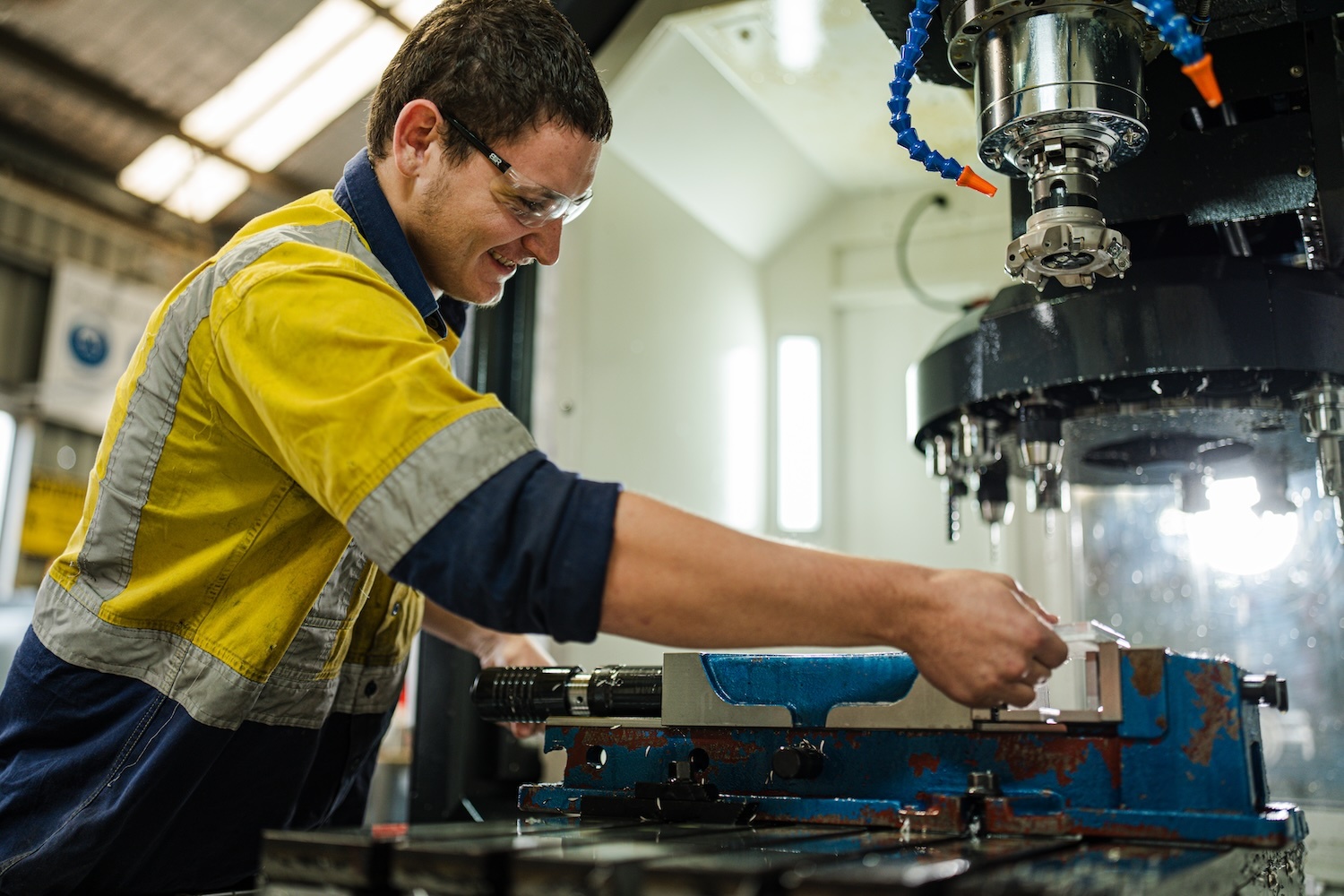
ATEC — Engineered for Excellence

Shape, assemble and weld the structures that hold major industries together.

Fabrication

Nationally listed as an occupation in shortage. 

High demand across defence, manufacturing, infrastructure and resources.

What fabrication trades involve

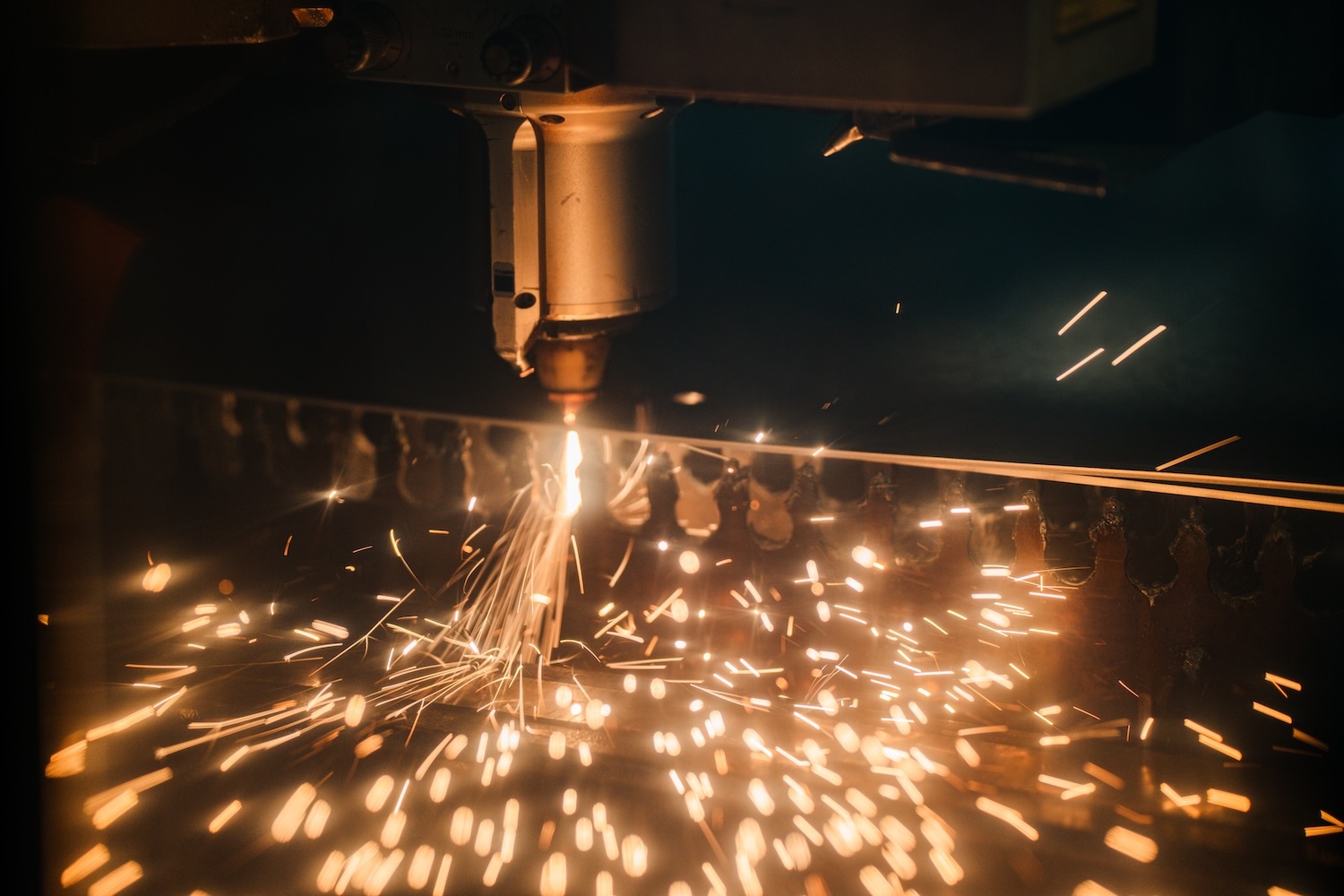
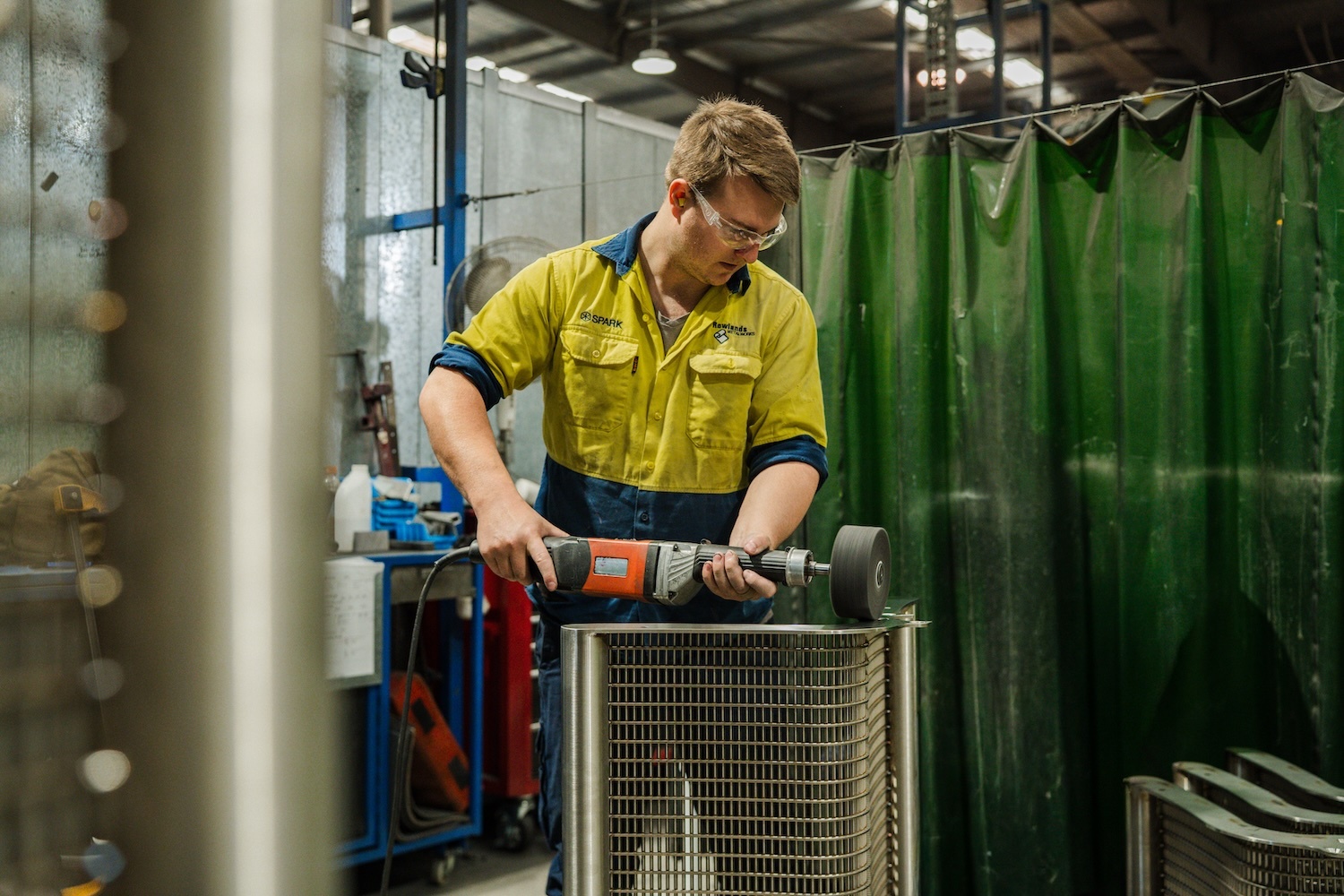
Fabricators work with metal, cutting, shaping, welding and assembling structures and components used across shipbuilding, construction, heavy industry and large-scale infrastructure.


This is skilled, technical work. Fabricators read complex technical drawings, select the right materials and processes, and produce finished components and structures to precise specifications. The work is visible, permanent and consequential, the structures fabricators build are embedded in the projects that shape South Australia’s industrial future.


Fabrication is nationally listed as an occupation in shortage. Skilled fabricators are in active demand.

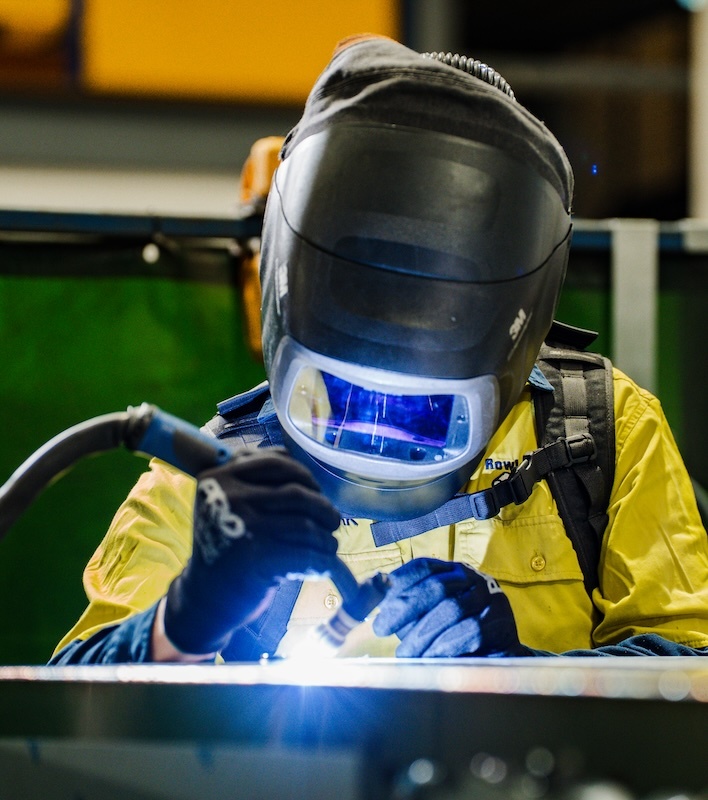
Qualified fabricators work across a wide range of industries.

Industries that rely on fabrication

These are the sectors currently driving demand in South Australia.

Naval shipbuilding and defence

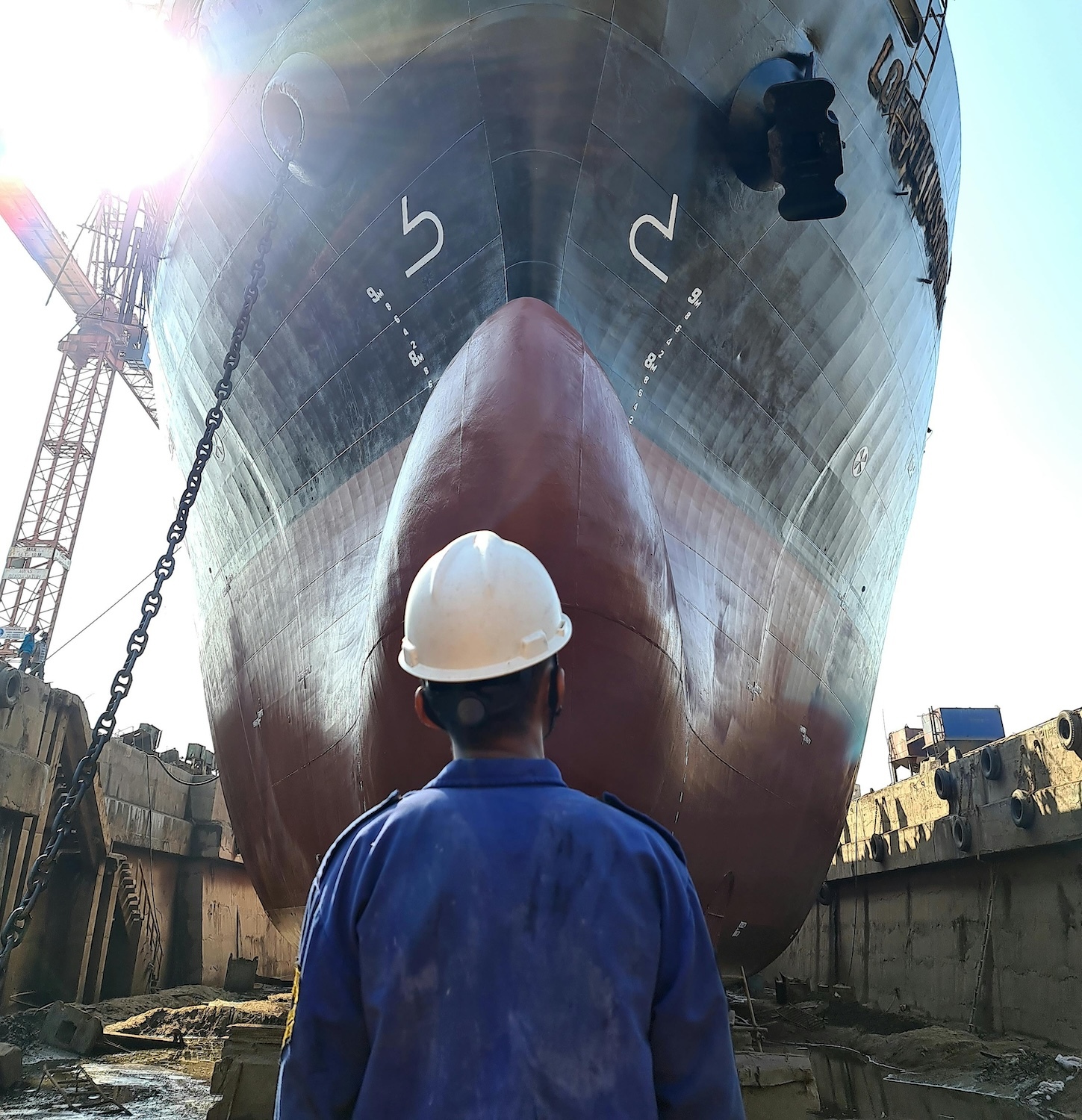
South Australia’s naval shipbuilding program requires large volumes of precision fabrication work. Fabricators produce and assemble the structural components that form the hull, decks and internal systems of naval vessels.

Infrastructure and civil construction

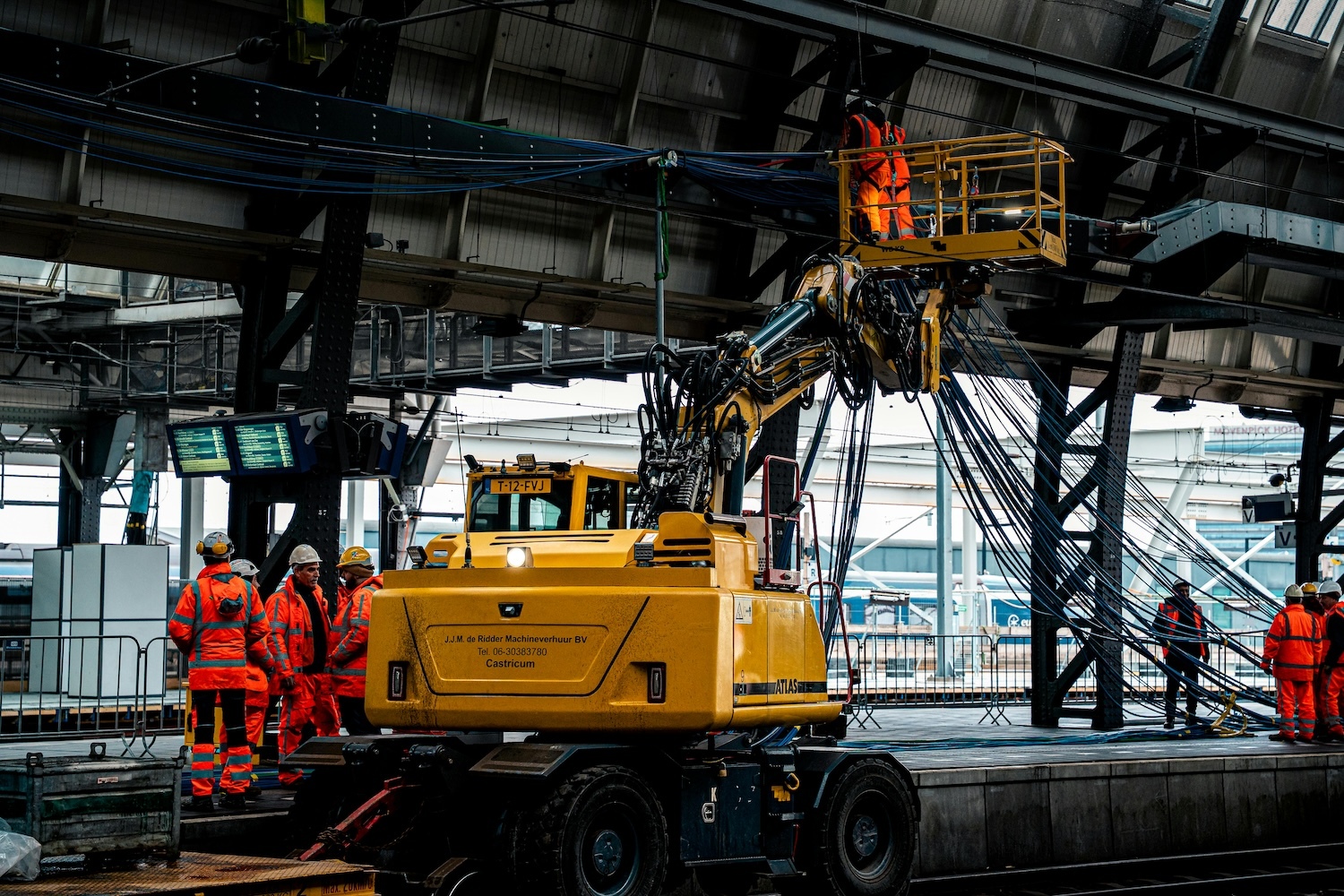
Bridges, industrial facilities, pipelines and large civil structures all rely on fabricated components. Fabricators produce the structural steel and metalwork that major construction projects depend on.

Heavy industry and resources

Mining, oil and gas, and heavy manufacturing operations require ongoing fabrication work to build, repair and maintain equipment, vessels and structural components.

Advanced manufacturing

Precision fabrication underpins advanced manufacturing operations, producing components and assemblies to the tight tolerances that high-tech manufacturing requires.

Energy and utilities

Power generation infrastructure, pipelines and utility installations require structural fabrication. Fabricators build and maintain the metal structures that energy systems depend on.

Transport

Rail, road and marine transport infrastructure requires fabricated components for vehicles, rolling stock, vessels and supporting structures.

Fabrication skills transfer across industries

Where a fabrication trade takes you

Fabrication trades offer a clear progression pathway with strong income growth and broad industry mobility.

Pre-apprenticeship

Complete ATEC’s structured pre-apprenticeship training. Build foundational skills. Get matched to an employer.

Apprentice Training

 Earn income from day one while gaining your nationally recognised trade qualification. Typically three to four years.

Qualified Tradesperson

Full trade qualification. Increased earning capacity. Specialise in structural, precision or specialist fabrication.

Senior Tradesperson / Project Manager

From leading products, teams or delivery of fabrication scopes on major projects, leadership progression and authority can be built within a fabrication career.

Business Owner

Experienced fabricators often establish their own businesses — contracting directly to major industry or running specialist fabrication operations.

Apply for Fabrication

The pathway into this trade starts with a conversation.

Register your interest through ATEC and a team member will be in touch to explain the next steps, confirm scheduling and match you to the right employer pathway.

The details

Certificate III in Engineering - Fabrication Trade
 

This program is offered as a 48 Month (4-year) Australian Apprenticeship Training Contract, usually completed in approx. 3.5 years.
 

You will be assigned an Case Manager who will work with you and your employer to develop a Training Plan that suits the needs of you and your employer.
 

The course includes theory, practical training, and assessment components. Skills will be trained and assessed through a blend of off-the-job (trade school), self paced study and on-the-job training.
 

Find out more about MEM31922 – Certificate III in Engineering – Fabrication Trade here ->


What happens after you register:

  • You’ll receive confirmation and information about the pre-apprenticeship program
  • An ATEC team member will contact you to discuss your situation
  • You’ll be guided through pre-apprenticeship training and into an employer placement
  • No commitment required at the registration stage

Entry requirements

  • Open to school leavers (Year 11–12), career changers and those reconsidering their current pathway
  • No prior trade experience required — ATEC’s pre-apprenticeship training builds your foundational skills
  • Must be eligible to work in Australia

Forge your future

Fabrication is in demand. The pathway is clear. The next step is yours.