ATEC — Engineered for Excellence

Forge your Future

Your career starts in the real world.

Mechanical engineering and fabrication trades power defence, infrastructure and advanced manufacturing. They offer high income, real progression and work that matters.

Engineering has more than one pathway.

Mechanical engineering and fabrication trades are among the most in-demand, technically advanced and commercially valuable paths in the industry. 

These trades are high-skill, high-demand careers that power defence, mining, infrastructure and advanced manufacturing. They offer strong incomes, clear progression and work that shapes the future. 

Engineered for Excellence connects people directly with the skills, training, and employers needed to build a career in engineering trades.

Two trades. Unlimited futures.

Engineering trades are practical, high-skill careers that combine problem solving, modern technology and hands-on mastery.
 

Mechanical Engineering

Work with the advanced machinery that powers modern industry. 

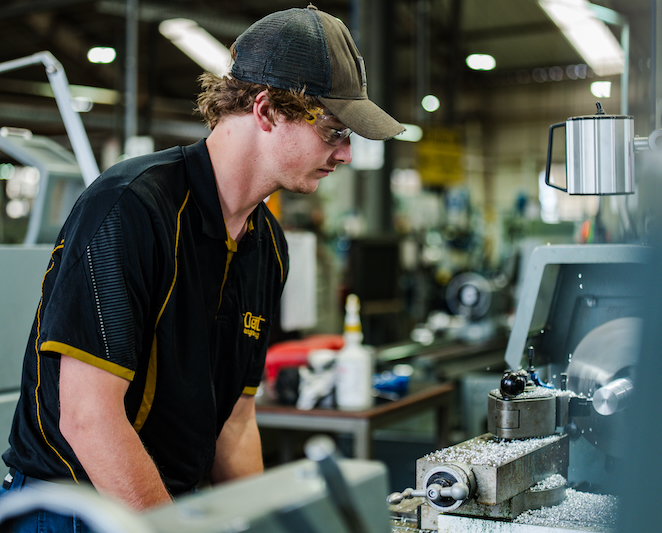
Mechanical tradespeople build, maintain and repair complex systems used across defence, mining, manufacturing and infrastructure — operating CNC equipment, automated systems and precision tools that most people never get near. 

Industries: Defence | Mining | Advanced Manufacturing | Infrastructure
Explore mechanical engineering →

Fabrication

Build the structures that hold major industries together. 

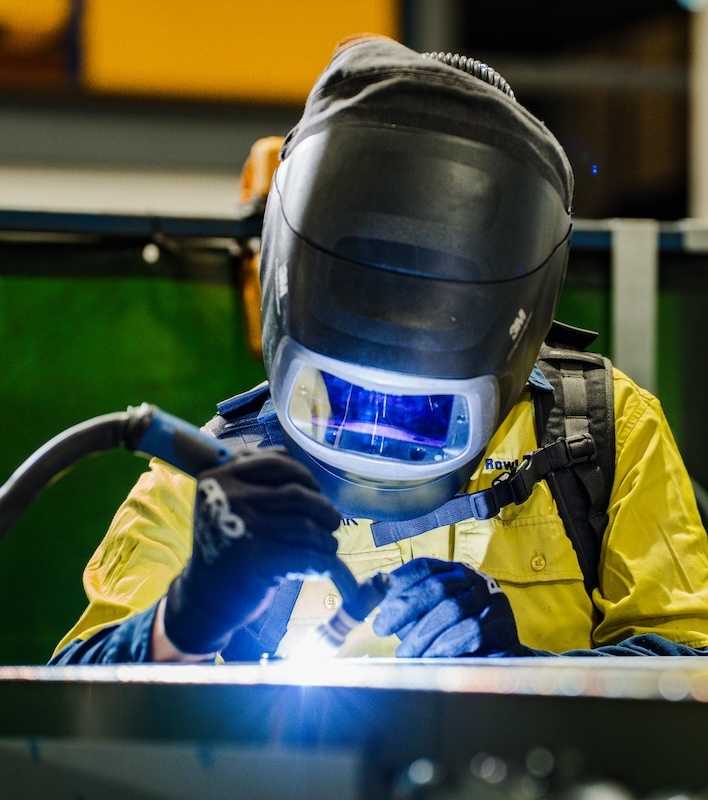
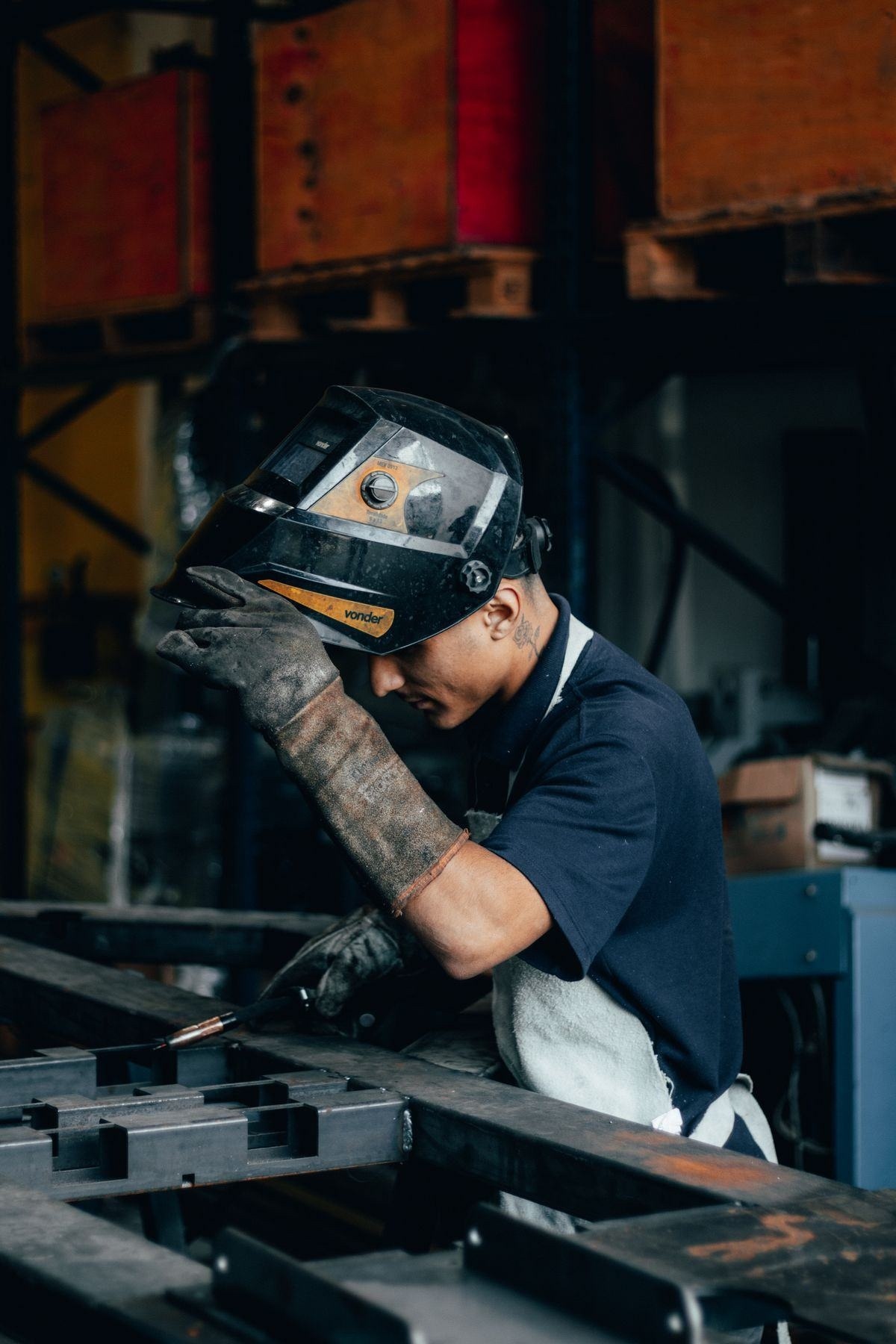
Fabricators shape, assemble and weld metal components and structures used in shipbuilding, construction, heavy industry and large-scale infrastructure — creating work that is permanent, visible and significant. 

Industries: Shipbuilding | Construction | Heavy Industry | Infrastructure

Explore Fabrication →

Why engineering trades?

Strong careers. Real skills. Immediate opportunity.

1

Earn from day one

Income starts immediately through paid apprenticeships — no waiting, no debt.
2

Work with advanced tech

CNC machinery, automation and precision systems are daily tools, not rarities.
3

Build a real career

Apprentice → Tradesperson → Supervisor → Project Manager → Business Owner.
4

Skills in national shortage

Mechanical and fabrication trades are nationally listed as occupations in demand.
5

Work on major projects

Defence, shipbuilding and infrastructure. Work that is consequential and lasting.

Your pathway into engineering.

Clear steps. Real outcomes.

STEP 1

Explore the trades

Understand what mechanical engineering and fabrication involve — the work, the industries, the tools and the career outcomes.
STEP 2

Build your skills

Complete structured pre-apprenticeship training with hands-on workshops, real equipment and industry-experienced trainers.
STEP 3

Connect to employers

ATEC connects participants directly to employers in defence, manufacturing and infrastructure — no cold applications required.
STEP 4

Start your apprenticeship

Begin earning from day one. Gain nationally recognised qualifications while working alongside experienced tradespeople.
STEP 5

Grow your career

Progress into senior trade roles, supervisory positions, project management or business ownership.

Find the information that's right for you.

Whether you're considering a career change, supporting someone through their decision, or looking to connect your school to industry — we have the information you need.


Engineering trades are skilled, well-paid careers you can start now. No HECS debt. No years of waiting. Earn while you learn — with real employers, real equipment and real career progression built in from day one. 

Key facts: 

  • Income from day one through paid apprenticeships
  • Nationally recognised qualifications
  • Work with CNC machinery, automation and precision systems 
  • Direct connections to employers in defence and advanced manufacturing 
  • Clear progression pathway to senior trade, supervisory and management roles

Engineering trades are high-skill, future-focused careers with strong income potential and long-term stability. They are not a fallback option — they are nationally listed as occupations in shortage. 

ATEC provides structured, industry-aligned training that connects your child directly to real employers, real qualifications and real career outcomes. 

What parents want to know: 

  • Nationally accredited training — not a short course 
  • Industry partners in defence, manufacturing and infrastructure
  • Strong earning potential and long-term career security
  • Clear pathway from apprentice through to management or business ownership
Engineered for Excellence supports schools in connecting students to high-demand engineering trades. We provide career information, direct employer engagement and pathway resources to support informed decision-making at the point of subject and pathway selection.

Skills that power major industry.

Engineering trades sit at the centre of Australia's most critical sectors. 

Mechanical and fabrication tradespeople are essential to the projects that keep infrastructure running, defence operational and manufacturing competitive. Both trades are nationally listed as occupations in shortage — meaning qualified tradespeople are in demand now, not in ten years. 

Graduates work across: 

  • Defence and naval shipbuilding
  • Advanced manufacturing and automation
  • Mining and resources
  • Infrastructure and civil construction
  • Energy and utilities
  • Transport and heavy equipment

Frequently Asked Questions

Is this just for people who didn't make it into university?
  • No. Engineered for Excellence is for people who want to build a high-skill, high-demand career in engineering trades. 

Many participants are school leavers who chose this pathway deliberately. Others are university students who recognised that applied engineering suits them better. This is a career decision, not a consolation.

What are the income prospects?
Apprentices earn income from day one — no HECS debt, no deferred income. Qualified tradespeople in mechanical engineering and fabrication earn strong wages, with significant progression potential into supervisory, project management and business ownership roles. Both trades are nationally listed as occupations in shortage, which supports ongoing income growth.
Is this technically modern work?
Yes. Modern engineering trades involve CNC programming, automated systems, precision fabrication and advanced manufacturing processes. These are not entry-level, low-skill roles. They require technical intelligence, precision and problem-solving.
What does the progression pathway look like?
The pathway is clear and structured: Pre-apprenticeship training → Apprenticeship → Qualified Tradesperson → Senior Trade Role → Supervisor → Project Manager → Business Owner. Engineering trades open doors across industries and levels.
How does ATEC connect participants to employers?
ATEC works directly with industry partners across defence, manufacturing and infrastructure. Participants don't apply cold — they are connected to real employers through the program.
Who is this program for?
Engineered for Excellence is designed for school leavers (Year 11–12), early career changers and mid-university students considering a pivot into engineering trades. The program also supports parents and educators seeking information about high-skill career pathways.

Ready to Start Your Trade Career?

Engineering trades offer real skills, strong incomes and careers built on things that last. The pathway is clear. The demand is real. The only thing missing is you.