
Engineering trades and careers
Two trades. Countless futures. Both in national shortage.
Mechanical engineering and fabrication are the skilled trade pathways powering defence, infrastructure, advanced manufacturing and resources across South Australia.
Explore both trades below — what each involves, where each leads and how they compare — then find the one that’s right for you.
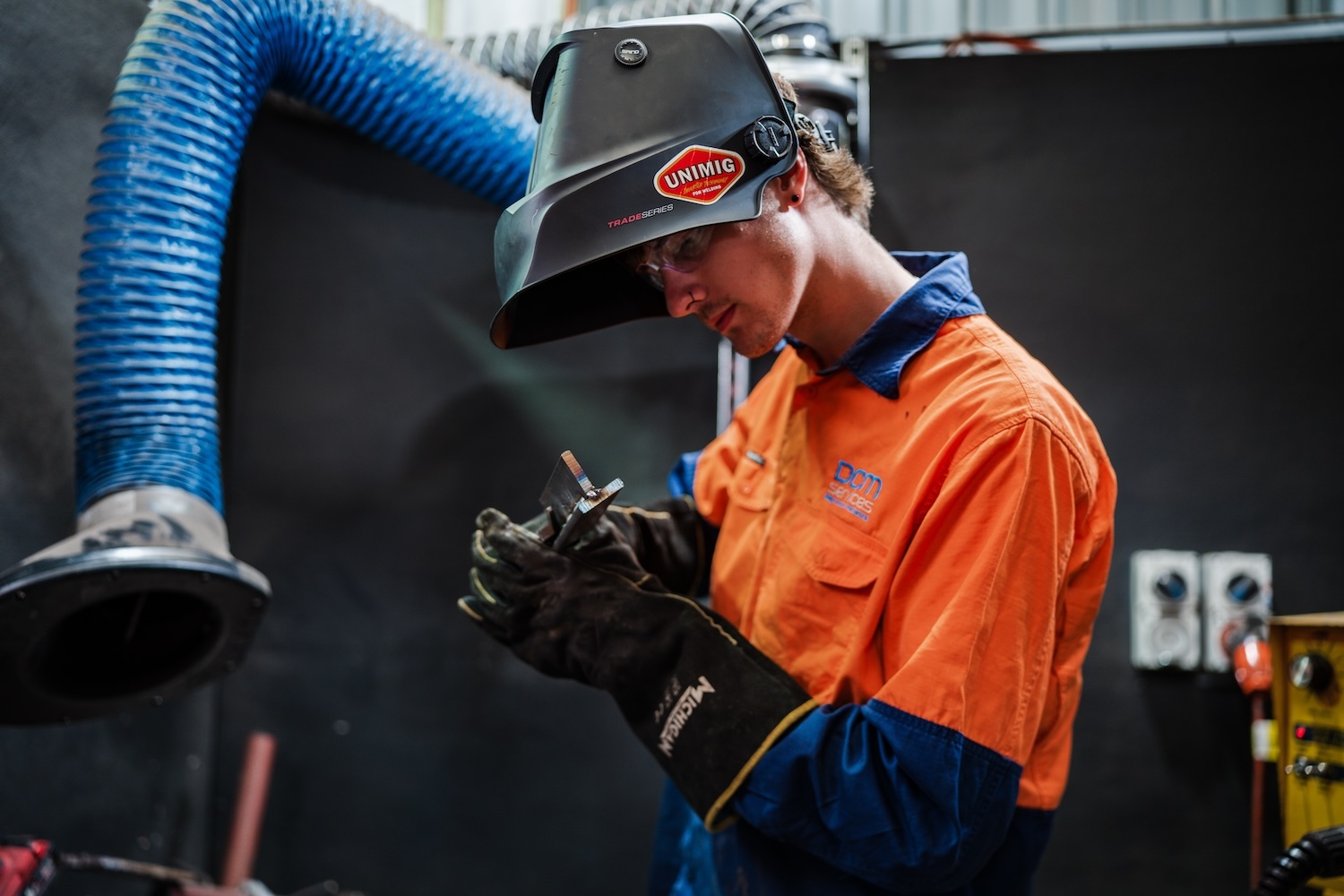
Fabrication
Shape, assemble and weld the structures that hold major industries together.

Hands-on, technical work
Fabricators cut, shape, weld and assemble metal components and structures to precise specifications.

Visible, permanent outcomes
The structures fabricators build are embedded in shipyards, infrastructure and major construction projects across South Australia.

Nationally listed as an occupation in shortage
Skilled fabricators are in active demand across defence, construction, mining and advanced manufacturing.
What fabricators do.
Fabricators work with metal — reading technical drawings, selecting materials and processes, and producing finished components to tight specifications. This trade underpins South Australia’s most significant industries.
Fabricators are building the next generation of naval vessels, infrastructure and industrial facilities.
Industries:
- Naval shipbuilding
- Infrastructure
- Heavy industry
- Advanced manufacturing
- Energy
- Transport
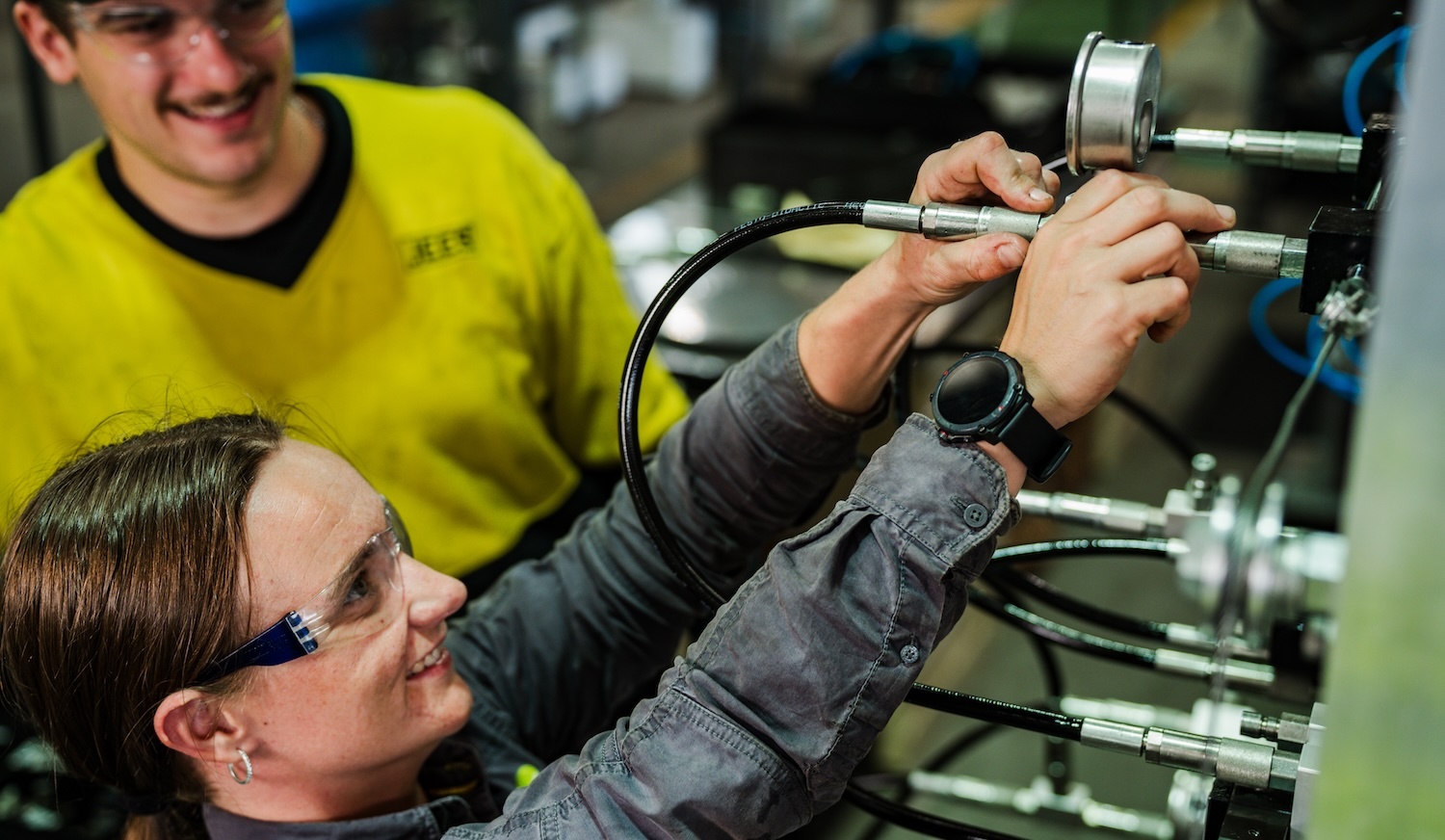
Mechanical Engineering
Build, maintain and operate the advanced systems that power modern industry.

Precision, technology and problem-solving
Mechanical tradespeople operate CNC machinery, automated systems and high-tolerance precision tools used across defence, manufacturing and infrastructure.

Complex systems, real responsibility
Mechanical tradespeople build, repair and maintain the equipment that entire industries depend on. This is not routine work — it requires technical intelligence and attention to detail.

In demand across major industries
Mechanical engineering is nationally listed as an occupation in shortage. Qualified tradespeople are actively recruited across defence, mining, manufacturing and infrastructure.
What mechanical engineering tradespeople do.
Mechanical engineering tradespeople work with complex machinery and systems — building, maintaining and repairing the equipment that keeps modern industry operational.
From CNC machining in advanced manufacturing to systems maintenance in the naval shipbuilding program, mechanical tradespeople work on the projects that define South Australia’s industrial future.
Industries:
- Defence
- Mining
- Advanced manufacturing
- Infrastructure
- Energy
- Transport
Not sure which trade is right for you?
Both trades are skilled, well-paid and in national shortage.
The difference is in the type of work — here’s how they compare.
Core Activity
Tools and technology
Key industries
Type of output
Working environment
Suits people who
Core Activity
Tools and technology
Key industries
Type of output
Working environment
Suits people who
Nationally recognised trade qualification
Paid apprenticeship from day one
Nationally listed as an occupation in shortage
Direct employer placement through ATEC
Clear progression pathway to supervisor, project manager or business owner
Skills transferable across multiple industries
Career mobility
Engineering trades are not a starting point with a fixed ceiling. They are the foundation of a long-term career with genuine advancement at every stage. Both mechanical engineering and fabrication trades follow the same career arc — from apprentice through to qualified tradesperson, supervisor, project manager and beyond.

Start earning from day one.
Your apprenticeship is paid employment from the first day. No deferred income. No HECS debt. You earn while you build the skills and qualifications that will define your career. Apprenticeships in both trades typically run three to four years — working alongside experienced tradespeople on real projects.
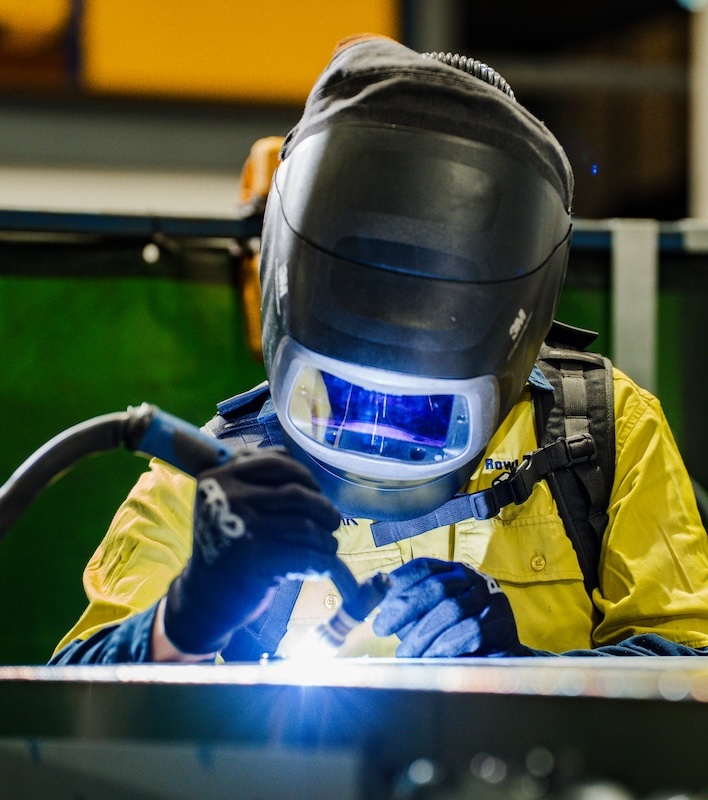
Qualify and specialise.
Once you complete your apprenticeship, you hold a nationally recognised trade qualification. From there, you can specialise in a sector, deepen expertise in a specific process or broaden your skills across industries. Qualified tradespeople are in active demand. The qualification opens doors that stay open
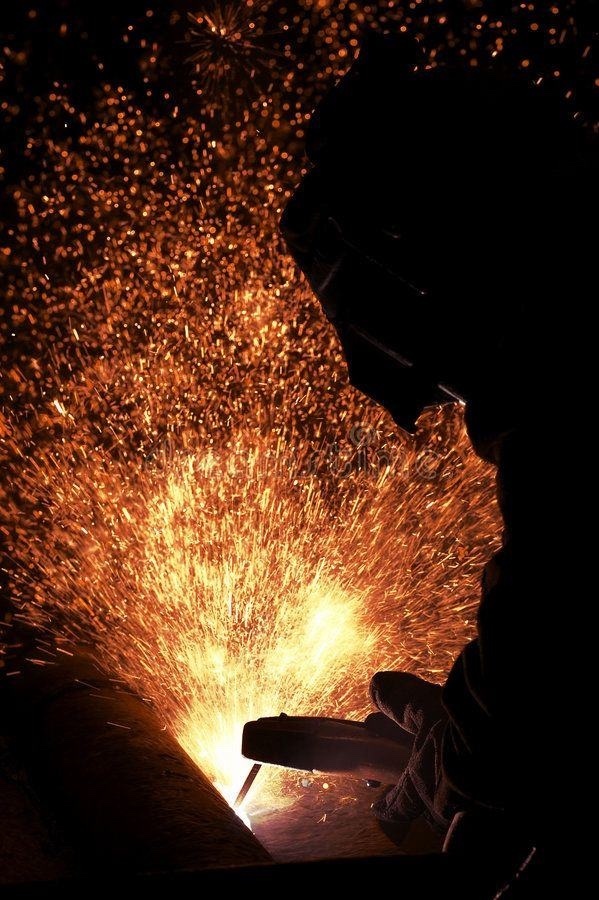
Move into leadership.
The combination of technical expertise and industry experience that engineering tradespeople build is exactly what leadership roles in major projects require. Senior tradesperson, team leader, supervisor, project manager — each step is accessible and well-compensated. Many of the people managing South Australia’s largest defence and infrastructure projects started as apprentices.
Build your own business.
Many qualified tradespeople go on to establish their own contracting operations — employing other tradespeople and working directly with major industry clients. A trade qualification is a commercial asset as much as a professional one.